

outdoor smart plug buying requires more than brand names and star ratings; it needs a safety-first, spec-driven checklist tied to real tests you can run at home.
Key Takeaways
- Global market growth makes outdoor automation common, but product‑level failure data is scarce; insist on full specs and certifications before purchase.
- Choose connectivity by use case and environment, not by app aesthetics; for many installs Wi-Fi is the practical choice.
- The most important line item is technical clarity: exact IP rating, max amps, NEMA type, and proven waterproof tests for any outdoor smart plug.
- Section 1: The Core Concept – Market snapshot
- Market snapshot — what the data actually shows
- Why connectivity matters
- The essential spec checklist every buyer must know
- Safety & standards explained
- Best uses and heavy-duty requirements
- Pricing, ownership costs, warranties
- Common failure modes & verified user complaints
- Hands-on tests buyers should run
- Quick buying guide – 8 checklist items
- Where competitors fall short
- Conclusion & call to action
- FAQ
Section 1: The Core Concept
This guide is focused on the buyer who needs reliable outdoor controls for lighting, heaters, pumps, and seasonal decor. It uses available market data and explicit research gaps to build a safe, technical buying path for an outdoor smart plug.
Market snapshot — what the data actually shows (and what’s missing)
The global outdoor smart plug market was valued at $1.2 billion in 2024 and is projected to reach $3.8 billion by 2033 at a 13.7 percent CAGR, with North America accounting for over 38 percent of 2024 share. Source reports list broad figures but stop short of unit shipments and brand shares, which matters when you need model-level reliability data. For the global market size see this summary from MarketIntelo and ResearchIntelo for verification.
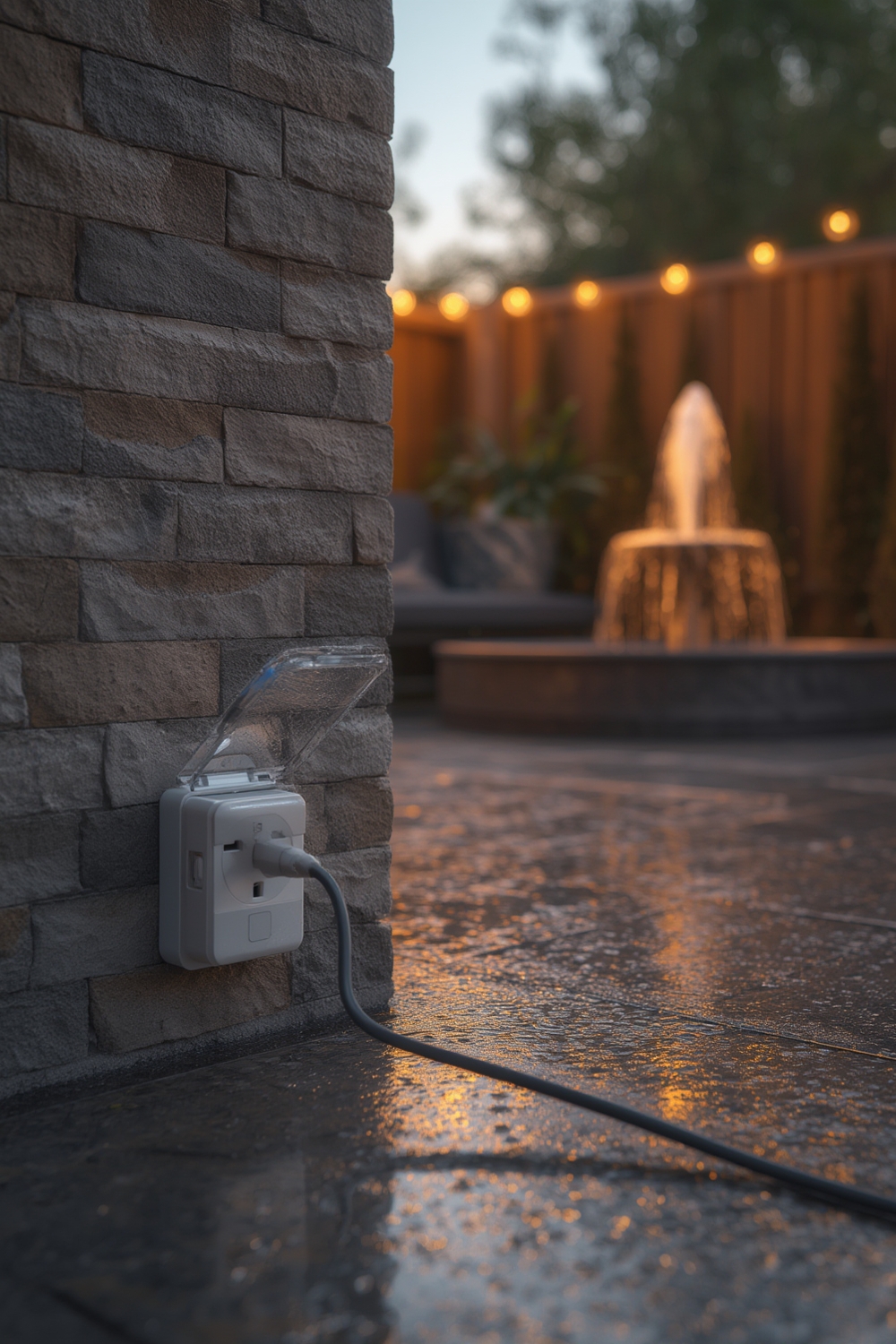
Available sources also show Wi‑Fi took nearly 58 percent of market share in 2024, while online channels drove about 65 percent of sales. The major evidence gap is clear: there are no public U.S. only market size numbers, unit shipment counts, or reliable brand market share tables for outdoor smart plugs. That gap forces buyers to evaluate each product on its technical merits and independent testability rather than relying on market popularity alone. See additional market context at Mordor Intelligence.
Why connectivity matters — Wi-Fi vs Zigbee/Z-Wave/Bluetooth for outdoor use
Connectivity affects range, reliability, and how the device handles interruptions. For many outdoor installs a Wi‑Fi device simplifies setup and provides direct internet access for remote control and OTA updates.
Connectivity choice for outdoor smart plug
Wi‑Fi is dominant in outdoor smart plugs because it removes the need for a hub and supports longer single-hop links to a home router. Mesh protocols like Zigbee and Z-Wave provide better reliability in dense mesh topologies and lower power draw but usually require a hub and less direct cloud access. Bluetooth can be useful for short-range, low-latency control but struggles with range. Pick Wi‑Fi for convenience and remote access, Zigbee or Z‑Wave when you already run a hub and need mesh stability, and Bluetooth only for close-range or battery-sensitive setups. The right choice depends on network topology and how mission-critical the circuit is.
The essential spec checklist every buyer must know
Vendors often leave out critical electrical specs. Demand the following label items on every product page and package before buying an outdoor smart plug.
| Spec | Why it matters | Acceptable threshold for heavy duty |
|---|---|---|
| IP rating | Defines ingress protection against solids and water | IP65 minimum for direct-exposure mounts; IP66 preferred for spray and dust |
| Max amps / watts | Determines safe continuous and inrush handling | 15 A continuous at 120 V for most residential; 20 A for heavy appliances |
| NEMA type | Defines plug/receptacle compatibility and environment | NEMA 5-15 for general use; NEMA 6-20 for 240 V or heavy loads |
| Surge protection (joules) | Helps survive transient voltage spikes | 1000 J or higher for outdoor exposure when surge risk exists |
| Operating temperature | Prevents failure in freeze or heat | -30 C to +50 C for cold climates |
| Voltage support | Matches local supply | 120 V US household; 240 V for specific equipment |
| GFCI required | Protects against ground faults for wet locations | Yes for receptacles near water; check NEC |
Research results contain no product-level spec listings. That absence makes the spec checklist here the primary tool for safe purchasing.
Safety & standards explained — IP, UL/ETL, IEC tests, and what they actually mean
Labels like IP44 or UL listed can be misleading unless you know what the tests do. IP44 resists splashing water and solid objects over 1mm. IP65 resists low-pressure water jets and dust. IP66 resists high-pressure water jets. UL and ETL listing means the product has been tested to US safety standards for electrical shock and fire risks, but these listings do not guarantee long-term weatherproofing.
IEC test procedures cover spray, immersion, freeze/thaw cycles, UV exposure, and salt spray for corrosive conditions. Because public sources lack IP rating comparisons and test data, you should request test reports or look for third-party lab documentation before trusting a wet-location rating.
Suggested visual assets: an IP comparison chart, a UL vs ETL explainer graphic, and a photo set of IEC test rigs. When a vendor cannot provide test reports, treat weather claims as unverified.
Best uses and heavy-duty requirements (heaters, pumps, Christmas lights)
Different heavy uses impose distinct electrical and code requirements. Check continuous load limits, GFCI rules, wire gauge, and NEMA type before connecting any high-draw device to an outdoor smart plug.
For example, a 1500 W patio heater at 120 V draws 12.5 A continuous. NEC requires continuous loads to be sized at 125 percent, so the circuit and device must support at least 15.6 A. Pumps with high starting torque can have inrush currents two to four times running amps. For Christmas lights, aggregate wattage across strands can exceed a single outlet rating; calculate total wattage and split across circuits if necessary. Because research has no product-level continuous load data, buyers must verify amps and inrush specs directly with manufacturers and follow NEC guidance for continuous loads, GFCI protection, and outdoor receptacle placement.
For indoor wiring and load planning that pairs with outdoor lighting, use our best smart light switch guide (neutral wire, dimming limits, multi-way wiring).
Pricing, ownership costs, warranties, and real-world expectations
Online distribution accounted for nearly 65 percent of sales in 2024, which influences pricing and availability across platforms like Amazon and Best Buy. Expect street prices to fall into tiers: budget basic Wi‑Fi models, midrange devices with surge protection and robust housings, and professional-grade heavy duty units with NEMA configurations. Warranty lengths vary widely; demand at least 1 year and prefer 2 to 3 years for weather-exposed installations. Watch for subscription or cloud fees for advanced features. Because no consolidated data exists on price ranges or MTBF, model-level investigation is required before purchase.
Common failure modes & verified user complaints — what to watch for
Based on available signals and general IoT experience, common failures are water ingress, firmware or app reliability, mechanical contact wear, and electrical faults due to misrating. There are no quantitative percentages or recall lists in search results, so you must read reviews for specific red flags such as repeated water damage claims, reports of failing after freeze cycles, or reports of contacts welding shut under heavy load. Count review signals: frequency, time-since-purchase, repeated model numbers, and photos. Use that counting approach to estimate risk when vendor data is missing.
Hands-on tests buyers (and reviewers) should run — waterproofing, load, and longevity
Independent testing is the only reliable way to validate vendor claims when lab reports are absent. Follow safe, low-risk methods or engage a qualified reviewer for destructive tests.
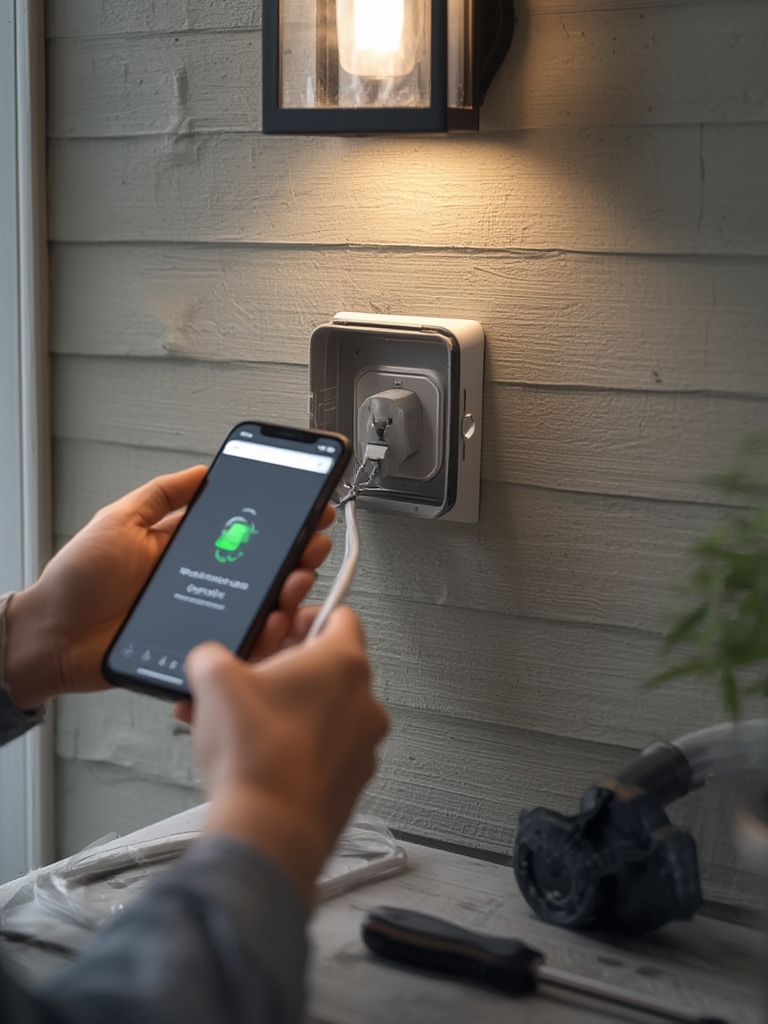
Suggested test protocol summary:
- IP-style spray test: 3 minutes at nominated pressure for IP65 claims. Pass if no water reaches live electronics and operation remains normal.
- Drip and shallow immersion: for IP44 claims, check tolerance to splashes and light drips. Do not fully immerse unless rated.
- Freeze and thaw: cycle units between cold and ambient temperatures for several cycles and monitor seals for failure.
- Load test: use a power meter and resistive load to run at 100 percent rated current for 4 hours, measuring temperature rise and stability.
- Inrush measurement: use a meter capable of capturing peak current to ensure solid state or relay contacts can survive motor starts.
Pass/fail criteria must map to manufacturer claims and applicable IP/UL expectations. If a product fails a basic spray test while claiming IP65, reject the claim and return the unit.
Quick buying guide — 8 checklist items and recommended product types
Eight must-check items before you hit buy:
- Exact IP rating spelled out, not just “weatherproof”.
- UL or ETL listing with available report number.
- Max amps/watts and inrush rating.
- NEMA plug/receptacle type or hardwired specs.
- Surge protection joules if used on exposed circuits.
- Operating temperature range that fits your climate.
- Connectivity type and local hub requirements.
- Warranty length and documented return policy.
Recommended archetypes: simple budget Wi‑Fi timers for holiday lighting, midrange sealed models with surge protection for string lights and speakers, and professional NEMA 6-20 or contactor-based solutions for heaters and pumps. Shop online or local stores given online distribution dominance, but verify spec sheets and request lab reports for heavy-duty buys.
Where competitors fall short — 3 content gaps to exploit
Competitor “best outdoor smart plug” articles commonly miss three areas you can exploit when creating better content or making a safer buy decision.
- Lack of hands-on waterproof testing documentation with photos and pass criteria. Fill this by publishing real spray and immersion tests and explaining fail modes.
- Missing wiring and install diagrams that show GFCI placement, conduit routing, and load splitting for Christmas installations. Add clear wiring diagrams and NEC citations.
- No load calculators for seasonal lighting and tree displays. Create a calculator screenshot and example calculations so buyers can size circuits and split loads properly.
Perform a fresh SERP audit and document competitor URLs and exact missing items when drafting. The research dataset did not include competitor article analysis, so this step is your responsibility to turn a generic listicle into a trustable technical guide. Example source for top model lists but not specs: Yotai has a “Top 2025 Outdoor Smart Plugs” page but lacks deep spec transparency.
Conclusion & call to action
Demand safety, insist on clear specifications, and test where documentation is missing. The global outdoor smart plug market is growing from $1.2 billion in 2024 to an expected $3.8 billion by 2033, which means more options but also more variation in quality. Because product-level failure data is absent, use the spec checklist and hands-on tests described here to reduce risk when buying an outdoor smart plug.
CTA: Before you buy, download the blank spec comparison template, request third-party lab reports from the vendor, and run the simple spray and load checks described above.
FAQ
What is the most weatherproof IP rating I should buy for an outdoor smart plug?
Choose at least IP65 for direct-exposure wall or post mounts. IP66 is preferred for high-pressure spray areas and coastal locations. Always request test documentation for the claimed rating.
Can I use a standard indoor smart plug outdoors?
No. Indoor plugs lack proper sealing, materials, and temperature ratings for outdoor use. Use devices rated for wet locations and follow NEC rules for outdoor receptacles.
How do I calculate if my outdoor smart plug can handle Christmas lights?
Sum the wattage of every connected strand and divide by the line voltage to get amps. Add a safety margin and avoid running continuous loads near the plug rating. If total exceeds the plug rating, split across circuits.
Which connectivity type is best for reliability for an outdoor smart plug?
Wi‑Fi is best for remote access and simplicity. Zigbee or Z-Wave provide mesh reliability when a hub is present. Choose based on your existing smart home architecture and reliability needs.
Is a heavy duty outdoor smart plug necessary for a patio heater?
Yes. Patio heaters draw continuous current and should be connected to devices rated for continuous loads with appropriate amps and NEMA types. Verify inrush and continuous ratings and follow NEC continuous load sizing rules.